

The right choice depends on whether you need routine cervical screening, clarification of an abnormal result, or evaluation of symptoms. By the end, you will know which test usually comes first, how HPV and prior results change the next step, and how to prepare for either appointment.
Key takeaways
- Choose a Pap smear for routine cervical screening without concerning symptoms.
- Colposcopy examines abnormal cervical findings under magnification and may include a biopsy.
- HPV and Pap results determine whether you repeat testing, undergo colposcopy, or need consultation.
- Avoid vaginal medicines, intercourse, and menstrual bleeding before a Pap test when possible.
Pap Smear and Colposcopy Answer Different Questions
A Pap smear is usually the first step for someone due for cervical screening and without concerning symptoms. It samples cells from the cervix to look for abnormal changes; screening may also use a primary HPV test or an HPV-and-Pap co-test, depending on the applicable guideline.
Colposcopy is a closer examination used to investigate a concern, not to replace routine screening.
| Test | What it examines | Usual purpose |
|---|---|---|
| Pap smear | Cervical cells collected with a brush | Screening for abnormal cell changes |
| HPV test | High-risk human papillomavirus in cervical cells | Screening and risk assessment |
| Colposcopy | The cervix under magnification after special solutions | Diagnostic follow-up, often with a directed biopsy |
If you searched “Pap smear or colposcopy Andheri West,” choose based on the clinical reason, not the location. Begin with the screening test recommended for your age, history and risk profile when you have no abnormal previous result.
Colposcopy may follow an abnormal Pap or HPV result, persistent high-risk HPV, or a cervix that looks abnormal. It is not automatic after every abnormal result; some lower-risk findings are managed with repeat HPV-based testing.
Bleeding after sex, bleeding between periods or after menopause, persistent unusual discharge, or pelvic pain requires a clinical consultation. A normal recent Pap or HPV result does not explain away those symptoms.
When You Need Screening, Colposcopy or a Symptom Consultation
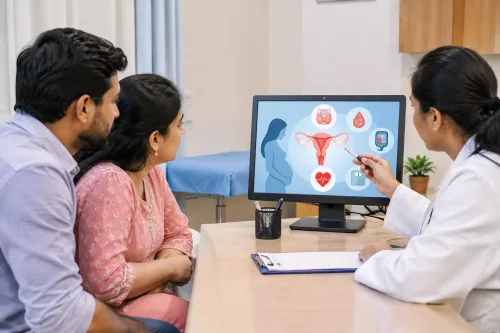
Choose routine cervical screening when you have no symptoms and no concerning previous result; choose colposcopy when your result or examination indicates a closer look. Age, prior results and HPV history matter more than searching by locality.
- Under 25: routine screening is usually not recommended unless a clinician identifies a specific risk.
- Ages 25–29: cytology (Pap testing) at the interval in your applicable guideline is a common approach.
- Ages 30–65: primary HPV testing, cytology, or co-testing may be used. Ask which test is offered, how often it is repeated, and whether results use a recognised classification with a defined follow-up pathway.
- After 65: stopping is considered only with adequate recent negative screening and no high-risk history, including previous significant precancer treatment.
- HPV vaccination lowers the risk of HPV-related disease but does not replace screening. It does not cover every oncogenic HPV type or clear an existing infection.
- A positive HPV result does not automatically mean colposcopy. Your current result, earlier tests and treatment history determine whether you need repeat HPV-based testing or colposcopy.
Do not book routine screening to explain bleeding after sex, bleeding between periods or after menopause, persistent unusual discharge, or pelvic pain. Seek a symptom consultation even after a normal Pap or HPV result. During pregnancy, an abnormal result may still need colposcopy, but endocervical curettage is avoided.
Dr Neha Pawar Obstetrician,Gynecologist,Andheri can review the report, symptoms and pregnancy status before selecting the next step for cervical screening andheri patients.
Related service
Pap Smear and Colposcopy Pap Smear and Colposcopy Specialist in Andheri West,Mumbai Dr Neha Pawar is the Best Pap Smear and Colposcopy Specialist in Andheri West, Andheri and Mumbai. View service → |
How HPV and Pap Results Determine the Next Step
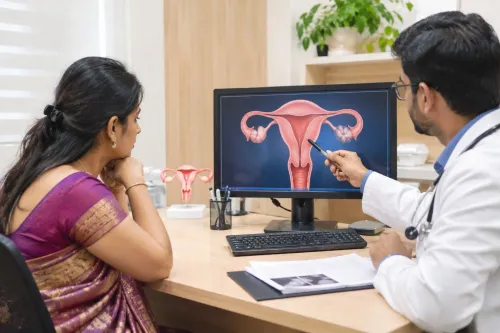
HPV and Pap findings are interpreted together: the result, HPV type, previous screening history and biopsy history determine whether you repeat testing or have colposcopy. A positive high-risk HPV result does not mean cancer; persistent infection with oncogenic types creates the risk of cervical precancer.
- HPV negative: Your immediate risk is lower, so follow the screening interval recommended for your age and test method. A negative Pap result alone does not exclude every abnormality because cytology can miss cells; HPV-based screening detects precancer more sensitively.
- HPV positive with NILM: NILM means “negative for intraepithelial lesion or malignancy.” Repeat HPV-based testing is commonly used after one positive result, while HPV 16 or 18 detection often leads directly to colposcopy.
- ASC-US or LSIL: ASC-US means atypical squamous cells of undetermined significance; LSIL means low-grade squamous intraepithelial lesion. An HPV-positive result, persistent abnormality or concerning history can lead to colposcopy; a lower-risk combination can lead to repeat testing.
- HSIL, ASC-H or AGC: These mean high-grade, cannot-exclude-high-grade, or glandular abnormalities. They require prompt colposcopy and sometimes additional sampling or treatment planning.
- Confirm the test offered: ask whether your cervical screening Andheri appointment uses primary HPV testing, cytology, or co-testing, and request the exact classification and follow-up date.
A search for a Pap test Andheri West should not assume one fixed interval or automatic colposcopy. Your clinician must apply the guideline and risk history to your result.
How to Prepare for a Pap Test and What It Feels Like
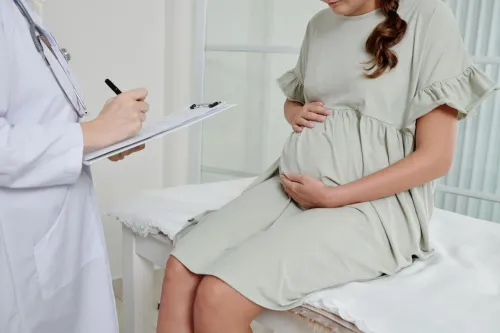
Searching “pap test Andheri West” does not change the preparation. For 24–48 hours beforehand, avoid vaginal intercourse, douching, vaginal medicines, creams and spermicides. If you have heavy menstrual bleeding, ask whether to reschedule because blood can make the sample difficult to interpret. Tell the clinician about pregnancy, unusual bleeding, discharge or pelvic pain.
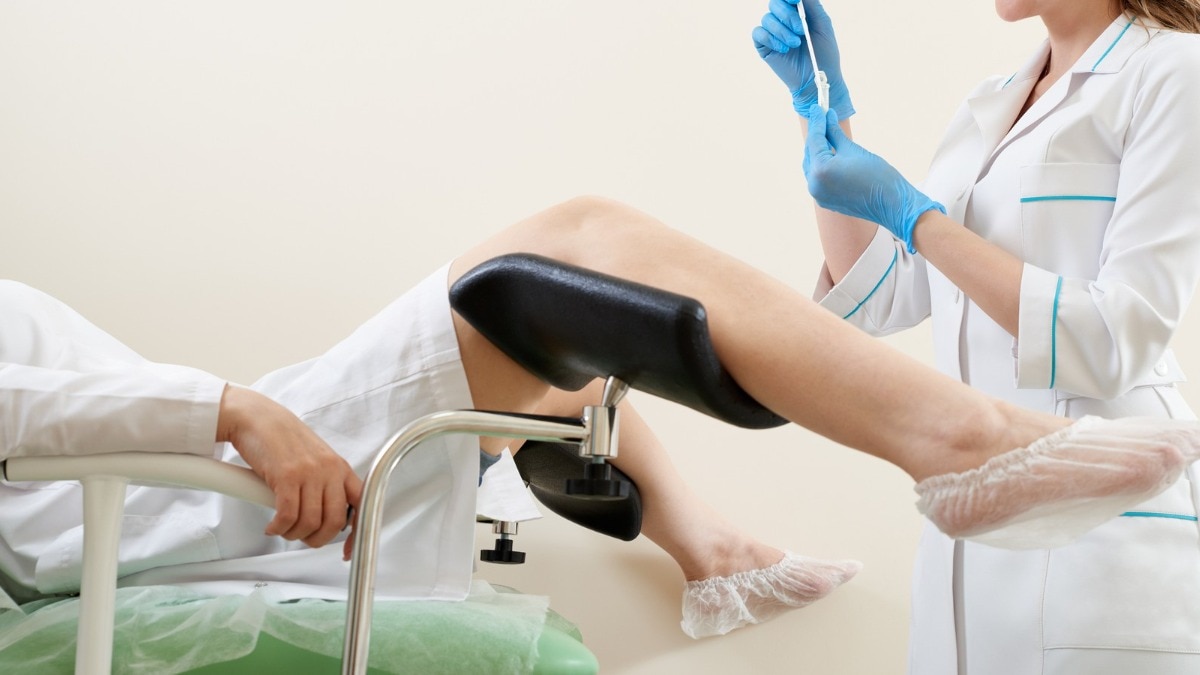
- Empty your bladder before the examination and undress from the waist down. You will lie on an examination table with your knees bent and feet supported.
- The clinician gently inserts a speculum into the vagina to see the cervix. You may feel pressure, stretching or a brief cramp; tell them if it hurts so they can pause or use a smaller speculum.
- A small brush or spatula collects cells from the cervix. The collection lasts seconds and does not remove tissue. You may feel a quick scraping sensation.
- The sample goes into a laboratory container for cytology, HPV testing, or both, depending on the test ordered. Ask which test is being performed and how results will be reported.
- Mild spotting or cramping can occur afterward. Use a sanitary pad if needed, but contact a clinician for heavy bleeding, severe pain, fever or foul-smelling discharge. Resume normal activity unless you were given different instructions.
What to Expect Before, During and After Colposcopy
Book the appointment when you are not menstruating, if possible. For 24–48 hours beforehand, avoid vaginal sex, tampons, douching and vaginal medicines unless your clinician instructs otherwise. Tell the clinic about bleeding, allergies, anticoagulants and any chance of pregnancy.
1. Before the examination, confirm why colposcopy is recommended and whether you need to bring your Pap, HPV and previous biopsy reports. Ask who will perform it, whether a directed biopsy and histopathology are available, and when you will receive the report.
2. During the 15–30-minute procedure, a speculum holds the vagina open while the clinician views the cervix through a colposcope. Acetic acid and sometimes iodine highlight abnormal areas; a biopsy can cause a brief pinch or cramp. Tell the clinician if pain is becoming difficult to tolerate.
3. Afterward, mild cramps, light bleeding or brown discharge can last for a few days. Use pads instead of tampons, and follow the clinic’s advice about vaginal sex and strenuous activity. Seek medical care for heavy bleeding, severe pain, fever or foul-smelling discharge.
Tell the clinician before the procedure if you are pregnant or could be pregnant. Colposcopy can still be needed, but endocervical curettage must not be performed; treatment is usually deferred unless cancer is suspected. A colposcopy specialist in Mumbai should give you a documented plan linking the examination, pathology result and follow-up date.
Frequently asked questions
What is the difference between a Pap smear and colposcopy?
A Pap smear collects cervical cells to screen for abnormal changes. Colposcopy uses magnification to examine the cervix after an abnormal screening result or concerning finding, and a biopsy may be taken.
When do I need a Pap test, colposcopy, or symptom consultation?
Choose routine screening when you are due and have no concerning symptoms. A colposcopy follows certain abnormal Pap or HPV results. Book a symptom consultation for unusual bleeding, bleeding after sex, persistent discharge, or pelvic pain.
How do HPV and Pap results determine the next step?
The next step depends on the HPV result, Pap findings, previous screening history, and clinical assessment. Options include repeat HPV or Pap testing, colposcopy, or further consultation.
How should I prepare for a Pap test?
Schedule it when you are not bleeding, and avoid vaginal medicines, douching, and intercourse for about 24 to 48 hours beforehand unless your clinician gives different instructions.
What happens during and after colposcopy?
You lie on an examination table while a speculum holds the vagina open. The clinician views the cervix with a colposcope, applies solutions, and takes a biopsy if needed. Mild cramping or spotting can follow.