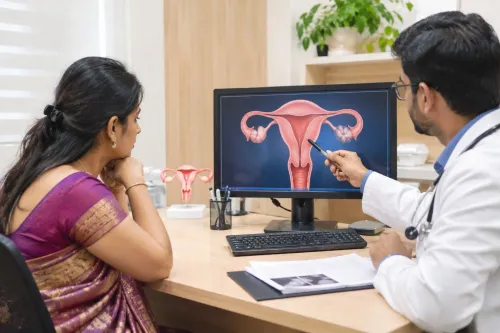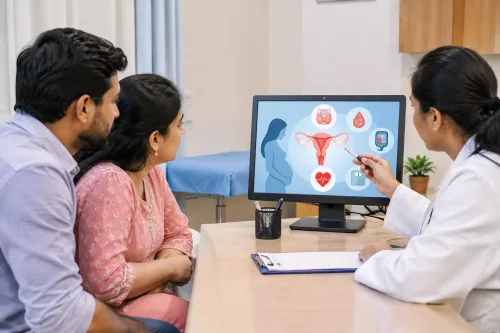


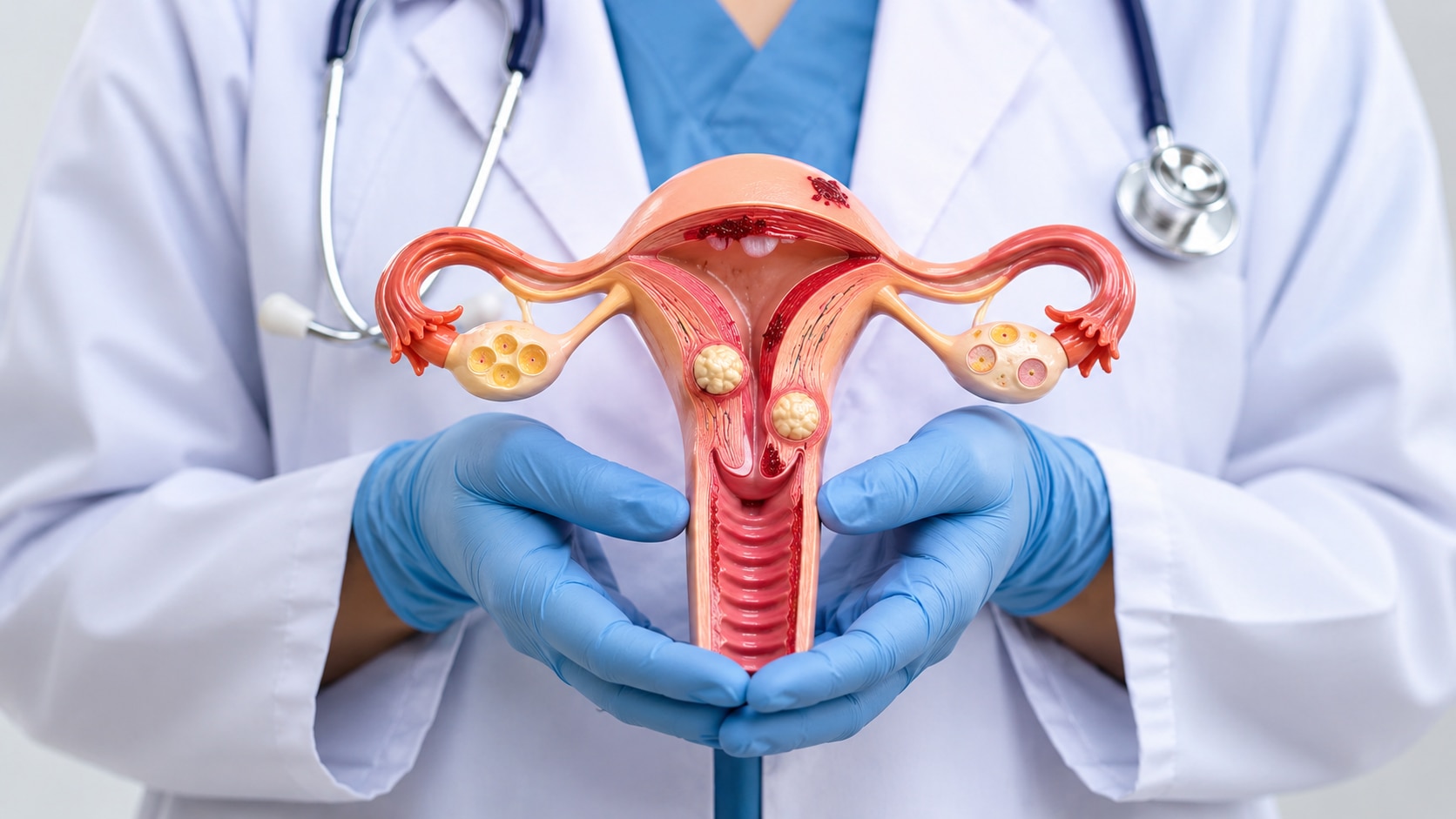
A gynecology visit can address far more than one symptom or a pelvic examination. By the end of the consultation, you can have a clearer explanation of your symptoms, a tailored testing plan, guidance on contraception or pregnancy planning, and a decision about routine follow-up, specialist referral, or urgent care.
Key takeaways
- Book an appointment for persistent, recurring, or changing symptoms.
- Seek emergency care for severe pain, heavy bleeding, fainting, or pregnancy-related danger signs.
- Bring medication details, menstrual dates, prior reports, and your main questions.
- A pelvic examination is not automatic; discuss its purpose and consent first.
Which symptoms and health questions belong in a general gynecology consultation?
Book a general gynecology consultation for symptoms that persist, recur, or change your usual pattern—not only for severe pain. A womens health doctor in Mumbai can review the whole picture, investigate causes, and decide whether you need treatment, testing, monitoring, or referral.
- Abnormally heavy, prolonged, or irregular bleeding
- Missed periods or periods that cause significant pain
- Unusual vaginal discharge or odour
- Pelvic pain or pain during sex
- Vulvar itching, burning, or sores
- Burning, urgency, frequency, or leakage when urinating
- Hot flushes, sleep disruption, vaginal dryness, or other menopausal symptoms
- Questions about contraception, pregnancy planning, sexual health, or fertility
Expect questions about your menstrual, sexual, and reproductive history; contraception; pregnancy intentions; previous pregnancies, surgeries, and treatments; medicines, allergies, chronic conditions, family history, and preventive care. Abnormal bleeding is not simply a reason to request medicine: evaluation may include a pregnancy test, complete blood count for anaemia, thyroid testing when indicated, and pelvic ultrasound.
Fibroids, polyps, ovulatory dysfunction, and medication effects are possible causes.
| Concern | What the consultation may address | Possible next step |
|---|---|---|
| Fertility or pregnancy planning | Preconception counselling, folic acid, medicines, chronic disease, and both partners’ risks | Earlier assessment for irregular periods, suspected endometriosis, prior chemotherapy, or male-factor risk |
| Sexual or vaginal symptoms | STI testing, including when symptoms are absent; discharge and itching causes | Swab, urine test, treatment, or follow-up |
| Menopause or prevention | Menopause care and cervical-screening intervals based on age and history | Personalised screening and symptom plan |
When is a gynecology concern routine, urgent, or an emergency?
A routine gynecology appointment suits persistent but stable concerns: irregular cycles, recurrent discharge, painful sex, urinary discomfort without severe illness, menopausal symptoms, or questions about contraception and pregnancy planning.
Use this triage guide:
- Same-day assessment: seek care for new or worsening pelvic pain, heavy bleeding that is not causing collapse, fever with pelvic or urinary symptoms, or possible pregnancy accompanied by pain or bleeding.
- Emergency care: go immediately for heavy bleeding with dizziness, marked weakness or fainting; sudden severe or one-sided pelvic pain; shoulder-tip pain with bleeding or faintness; severe symptoms after a positive pregnancy test; or sudden severe abdominal symptoms. Ectopic pregnancy and internal bleeding can present this way, so do not wait for a “gynecology appointment near me.”
- Prompt clinical evaluation: report bleeding after menopause even once. Treating it as a normal period can delay investigation of causes ranging from benign tissue changes to endometrial cancer.
If you feel faint, have severe pain, or are losing blood rapidly, use emergency services rather than travelling alone to a clinic. Fever with pelvic pain can indicate an infection requiring same-day treatment, especially when vomiting, worsening tenderness, or feeling very unwell accompanies it.
How should you prepare, and what happens before and after the visit?
Bring records that prevent repeat testing and dates that clarify patterns. For a gynecologist consultation Andheri West, carry previous ultrasound, laboratory, pathology, and surgery reports; dates of recent periods; pregnancy history; medication and supplement lists; allergies; contraception history; and a written symptom timeline with your questions.
1. Ask before the appointment whether preparation depends on the planned test. Before a cervical sample, the clinic may ask you to avoid vaginal medicines or intercourse for a specified period. Attend during menstruation unless the clinic advises otherwise. For a particular ultrasound, arrive with a full bladder if instructed.
2. Ask what applies to urine or pregnancy testing. Do not assume that every test needs a first-morning sample; the clinic may give different collection, fasting, or timing instructions.
3. At registration, confirm your contact details and reason for visiting. A confidential history covers symptoms, periods, pregnancy and contraception, medicines, allergies, and relevant medical conditions. After consent, the clinician checks blood pressure and weight, performs an abdominal examination, and conducts a pelvic examination or collects a sample only when indicated.
4. Before leaving, ask what the findings mean, when tests should be done, and which treatment choices are available. Confirm warning signs, how results will be communicated, and the follow-up date or condition, such as returning after test results or sooner if pain, fever, or heavy bleeding develops.
Will you need a pelvic examination, and which tests might be useful?
A pelvic examination is not automatic at every visit. In a general gynecology consultation for Andheri West, you can ask what each step is for, request a chaperone, ask the clinician to stop, or pause the examination at any time.
| Examination | What it does | When it may be useful |
|---|---|---|
| Speculum | Views the vagina and cervix; collects cervical, vaginal, or STI samples | Discharge, bleeding, cervical screening, or suspected infection |
| Bimanual | Assesses tenderness, uterine size, or an adnexal mass | Pelvic pain, pressure, abnormal bleeding, or examination findings |
| No pelvic examination | Focuses on history, vital signs, abdominal assessment, and planning | Routine follow-up or concerns that do not require internal examination |
Possible tests include a urine pregnancy test, complete blood count for anaemia, thyroid-stimulating hormone when symptoms support it, prolactin for selected cycle or milk-production concerns, pelvic ultrasound, vaginal swab, Pap test, or HPV test. Your symptoms, age, examination findings, pregnancy status, and screening history determine what is useful.
A Pap or HPV test provides cervical cancer prevention screening; it is not a test for every discharge. An ultrasound is not needed for every complaint. STI screening is separate from Pap or HPV testing, because cervical screening does not check for infections such as chlamydia or gonorrhoea.
Ask why a test is recommended and what decision its result will change.
What decisions can a consultation help you make next?
A consultation turns your symptoms and initial findings into a next step: a diagnosis, watchful follow-up, treatment, further testing, referral, or coordinated care. The right plan depends on your priorities, test results, age, medical history, and response to treatment.
- PCOS cannot be diagnosed from an ultrasound alone. Clinicians combine ovulatory symptoms, clinical or biochemical androgen findings, polycystic ovarian morphology or anti-Müllerian hormone, and exclusion of other causes.
- For suspected endometriosis, a normal examination or ultrasound does not reliably exclude disease. Symptoms, imaging, fertility goals, and treatment response guide decisions; laparoscopy is not automatically required before treatment.
- Begin fertility evaluation after 12 months of regular unprotected intercourse if you are under 35, or after 6 months if you are 35 or older. Seek assessment sooner for irregular or absent periods, suspected endometriosis or tubal disease, previous chemotherapy, or known male-factor risk; evaluate both partners.
- Use preconception counselling to review folic acid, vaccines, chronic disease, medication safety, substance use, and genetic-risk questions. A history of pre-eclampsia, diabetes, hypertension, heart or kidney disease, multiple pregnancy, or fetal complications may warrant high-risk pregnancy referral.
- A gynecologist consultation Andheri West can clarify which tests are useful now, which symptoms need monitoring, and when specialist input is warranted.
For readers comparing a general gynecology consultation for Andheri West, Dr Neha Pawar Obstetrician,Gynecologist,Andheri provides specialist assessment through the Department of Obstetrics and Gynecology at Kokilaben Dhirubhai Ambani Hospital, including coordinated testing, follow-up, and referral.
Related service
Gynecologist in Andheri West Gynecologist in Andheri West,Mumbai ₹2000 Dr Neha Pawar is the Best Gynaecologist in Andheri West, Andheri and Mumbai. View service → |
Frequently asked questions
Which symptoms belong in a general gynecology consultation?
Book a consultation for persistent or recurring pelvic pain, unusual bleeding, changed periods, abnormal discharge, itching, pain during sex, urinary or vulvar concerns, fertility questions, contraception needs, or menopause symptoms.
When is a gynecology concern urgent or an emergency?
Arrange prompt medical review for new or worsening symptoms. Seek emergency care for severe pelvic pain, heavy bleeding with weakness or fainting, fever with pelvic pain, or pregnancy-related pain or bleeding.
How should I prepare for a gynecology appointment?
Write down your symptoms, menstrual dates, pregnancy history, medicines, allergies, and questions. Bring previous reports and note when the problem began and what changes it.
Will I need a pelvic examination?
Not always. Your doctor will recommend an examination when it can clarify symptoms or guide treatment, explain the reason, and obtain your consent before proceeding.
Which tests might be useful after a gynecology consultation?
Depending on your symptoms, the doctor may consider a pregnancy test, blood tests, urine testing, vaginal or cervical swabs, ultrasound, or cervical screening.