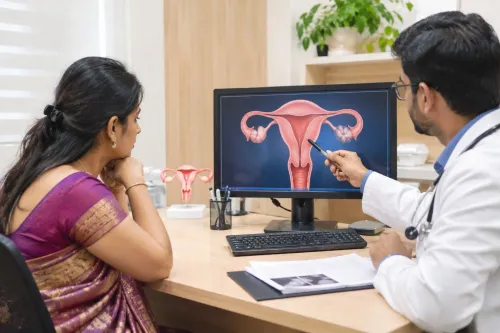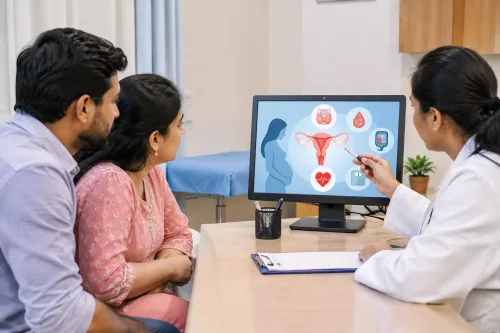



A menopause appointment is more than a hormone test: the clinician needs to understand your bleeding pattern, symptoms, medical risks, and treatment goals. You will leave better prepared to describe what is happening, understand which tests are useful, and compare hormone, non-hormonal, and supportive care options.
Key takeaways
- Bring your last period date and a record of cycle changes.
- Bleeding after 12 months without periods needs medical assessment.
- Menopause treatment should reflect your symptoms, health history, and risks.
- Confirm follow-up, symptom monitoring, and screening in your care plan.
What happens at your first menopause consultation?
A menopause consultation near me should begin with your menstrual pattern, not a hormone test. Bring the date of your last period, skipped cycles, heavier or prolonged bleeding, pregnancy possibility, and any bleeding after 12 months without menstruation.
1. Describe symptoms: hot flashes, night sweats, disrupted sleep, vaginal dryness, painful sex, urinary urgency or recurrent infections, mood changes, anxiety, joint aches, palpitations, headaches, and reduced concentration.
2. List prescription medicines, contraceptives, supplements, and previous treatments. Mention migraine, blood clots, stroke, heart disease, liver disease, breast or gynecologic cancer, and relevant family history.
3. Discuss bone-health risks, including previous fractures, low body weight, smoking, limited weight-bearing exercise, and medicines that weaken bone.
The clinician will check your blood pressure and examine you when symptoms or bleeding make it useful. That examination can include a pelvic examination. For people aged 45 or older with typical symptoms and menstrual changes, the diagnosis often comes from the history rather than a routine hormone panel.
Testing has a specific purpose: thyroid testing for suspected thyroid disease, a pregnancy test when pregnancy is possible, a complete blood count for heavy bleeding or suspected anaemia, and follicle-stimulating hormone testing when symptoms are unclear, menopause is suspected at ages 40 to 45, or ovarian insufficiency is suspected before age 40.
FSH adds little when your symptoms and cycle pattern already provide a clear answer.
Are you in perimenopause, menopause, or postmenopause?
Symptoms can start while you still menstruate because ovarian hormone production becomes less predictable before periods stop. This transition is called perimenopause, and it may bring irregular cycles, hot flashes, night sweats, poor sleep, mood changes, vaginal symptoms, or palpitations.
| Stage | Clinical meaning | What you may notice |
|---|---|---|
| Perimenopause | Transition before the final menstrual period | Irregular or heavier periods alongside menopause symptoms |
| Menopause | Confirmed after 12 consecutive months without a period, once other physiological or pathological causes are excluded | The final menstrual period cannot be confirmed on the day it occurs |
| Postmenopause | The years after menopause has been reached | Symptoms may continue and require treatment |
A menopause doctor in Andheri West may describe your situation as perimenopause until 12 months have passed.
For people aged 45 or older with typical symptoms and menstrual changes, diagnosis usually comes from the history rather than a routine hormone test; follicle-stimulating hormone testing is more relevant when symptoms are unclear or menopause is suspected between ages 40 and 45 or before age 40.
Bleeding after menopause is not an ordinary symptom. Arrange assessment for new spotting, recurrent bleeding, bleeding after sex, or a heavier episode; evaluation can include pelvic examination, transvaginal ultrasound, and endometrial sampling. Very heavy or prolonged transition bleeding with fatigue or breathlessness warrants review and a complete blood count for anemia.
Menopause care in Andheri West should also address early menopause at ages 40–44 and premature ovarian insufficiency before 40, including bone, cardiovascular, and fertility implications.
How are menopause treatments matched to your risks and symptoms?
A treatment plan matches your symptoms, medical history, and treatment risks rather than following one universal prescription. Systemic oestrogen, taken as an oral tablet or delivered through a transdermal patch or gel, targets hot flashes and night sweats.
If your uterus is present, a progestogen generally protects the endometrium; after a total hysterectomy, oestrogen alone is often considered.
| Option | What it targets | Key considerations |
|---|---|---|
| Systemic oestrogen | Hot flashes and night sweats | Oral and transdermal routes have different clotting, cardiovascular, and practical considerations; do not change route without review |
| Low-dose vaginal oestrogen | Dryness, burning, painful sex, urinary symptoms | Cream, tablet, or ring; much lower systemic exposure than systemic therapy |
| Vaginal DHEA or ospemifene | Persistent vaginal or sexual symptoms | Discuss when moisturisers and lubricants are insufficient |
| Non-hormonal treatment | Hot flashes, sleep, mood symptoms | Cognitive behavioural therapy, selected SSRIs or SNRIs, gabapentin, or clonidine may help |
The choice also reflects your age, time since menopause, bleeding pattern, migraine history, liver disease, breast-cancer history, blood-clot or cardiovascular risk, and other medicines. Hormone therapy is generally most favourable for bothersome symptoms in healthy women younger than 60 or within 10 years of menopause, not for preventing heart disease or dementia.
Persistent or unexplained bleeding needs assessment.
For menopause treatment in mumbai, ask about regulated products with known doses. Compounded “bioidentical” preparations are not automatically safer; potency and safety evidence can vary. Non-hormonal care is a real treatment option when hormones are unsuitable or declined.
What should you confirm about menopause care in Andheri West?
Before booking menopause care in Andheri West, confirm the clinic’s exact Andheri West location, appointment availability, consultation length, accepted records, and whether follow-up visits take place at the same location. Ask how prescriptions, test reports, and urgent bleeding concerns are handled between appointments.
Bring these items to your visit:
- A period diary showing bleeding dates, skipped periods, flow, and any bleeding after 12 months without menstruation
- A complete list of medicines, contraceptives, vitamins, and supplements
- Home blood-pressure readings, if available
- Previous pelvic ultrasound, mammography, bone-density, thyroid, blood-count, or other blood-test reports
A menopause consultation near me should end with clear timing: ask when treatment will be reviewed, which symptoms should improve first, and when to report side effects or renewed bleeding. Unexpected bleeding after menopause needs assessment; the clinician may arrange an examination, ultrasound, or endometrial sampling.
| Concern to confirm | Who may coordinate care | What to clarify |
|---|---|---|
| Persistent insomnia, anxiety, or depression | Primary care or psychiatry | Who reviews sleep, mood, and medicines |
| Urinary symptoms or painful sex | Urology or a pelvic-floor specialist | Whether assessment and treatment occur locally |
| Osteoporosis, thyroid disease, diabetes, or hypertension | Endocrinology or primary care | Which clinician follows test results and long-term risks |
At Kokilaben Dhirubhai Ambani Hospital’s Department of Obstetrics and Gynecology, Dr Neha Pawar Obstetrician,Gynecologist,Andheri can help clarify whether the service fits your symptoms and follow-up needs. Confirm these arrangements directly.
Related service
Menopause Health Treatment Menopause Health Treatment in Andheri West,Mumbai Dr Neha Pawar is the Best Menopause Health Treatment Specialist in Andheri West and Andheri. View service → |
What should the longer-term menopause plan include?
Care beyond symptom relief should protect bone health, clarify hormone-therapy decisions, and set a review date. If menopause occurs before age 45, discuss hormone replacement until the usual age of natural menopause unless a contraindication changes the plan; prolonged oestrogen deficiency affects bone and cardiovascular health.
| Situation | Longer-term discussion | Key point |
|---|---|---|
| Menopause before 40 | Evaluate premature ovarian insufficiency and discuss hormone replacement | The plan often continues until the usual natural-menopause age unless contraindicated |
| Menopause at 40–44 | Discuss early menopause, bone health, cardiovascular risk, and hormone therapy | This needs more than routine symptom treatment |
| Typical menopause | Match treatment to symptoms, age, time since menopause, and individual risks | Hormone therapy is not prescribed simply to prevent cardiovascular disease or dementia |
Hormone therapy is generally most favourable for bothersome symptoms in suitable patients younger than 60 or within 10 years of menopause, but the benefit–risk discussion changes with age, thrombosis, stroke, cardiovascular disease, breast cancer, liver disease, or unexplained bleeding.
A menopause doctor Andheri West consultation should also cover resistance and weight-bearing exercise, calcium and vitamin D intake, avoiding tobacco, moderating alcohol, falls, fracture risk, and bone-density testing when indicated. Supplements do not replace osteoporosis treatment.
Track symptom response, blood pressure, bleeding, sleep, mood, sexual or urinary symptoms, and side effects. A surgical gynecologist becomes relevant when fibroids, polyps, endometrial disease, or another structural bleeding cause needs treatment; surgery does not treat menopause.
Menopause treatment in Mumbai should end with documented diagnoses, tests and reasons, chosen treatment, and a review date or trigger.
Frequently asked questions
What happens at your first menopause consultation?
The consultation begins with your menstrual pattern, including your last period, skipped cycles, heavy or prolonged bleeding, and any bleeding after 12 months without menstruation. The clinician also reviews symptoms, pregnancy possibility, medical history, and current medicines.
How can you tell whether you are in perimenopause, menopause, or postmenopause?
Perimenopause is the transition when periods become irregular and menopause symptoms may begin. Menopause is reached after 12 consecutive months without a period. Postmenopause refers to the years after menopause.
How are menopause treatments matched to symptoms and risks?
Treatment choices depend on your symptoms, menstrual history, medical conditions, medicines, pregnancy possibility, and personal risks. Discuss the expected benefits, side effects, alternatives, and follow-up before choosing an option.
What should a longer-term menopause plan include?
A plan should cover symptom review, treatment adjustments, follow-up appointments, bleeding assessment, preventive health checks, and clear instructions on when to seek urgent medical advice.