

A high-risk label describes the level of pregnancy monitoring you may need; it does not predict a poor outcome, mandate bed rest, or automatically mean a caesarean birth. By reviewing your medical history, previous pregnancies, conception method, age and current findings, you can decide whether to continue routine care, arrange a specialist consultation or coordinate care between several doctors.
Key takeaways
- Seek review before conception if illness or medication could affect pregnancy.
- Previous caesarean, miscarriage, stillbirth or uterine surgery can change care.
- Contact a specialist promptly for bleeding, high blood pressure or abnormal scan findings.
- Choose care with access to maternal-fetal medicine, imaging and emergency referral.
Which medical conditions justify specialist pregnancy review?
Seek preconception or early-pregnancy advice if you have any condition that can alter medication, blood flow, fetal development or delivery planning.
| Condition | Why specialist review helps |
|---|---|
| Pre-existing hypertension or diabetes | Plan control before conception; reduce risks involving fetal development, pre-eclampsia, growth problems and medically indicated early delivery. |
| Kidney or heart disease | Establish baseline organ function and decide how pregnancy affects treatment and monitoring. |
| Lupus or another autoimmune disease | Review disease activity, medicines and placental risks. |
| Epilepsy, thrombophilia or antiphospholipid syndrome | Reconcile medicines and assess seizure, clotting, miscarriage and placental risks. |
| Obesity, previous organ transplant or pregnancy-affecting medicines | Set a safer treatment, surveillance and referral plan before pregnancy. |
A risk factor is not a current complication. You may feel completely well and still benefit from medication reconciliation, disease-control planning and baseline blood, urine or organ assessment. Diabetes deserves particular attention because high glucose around conception can affect fetal development; chronic hypertension raises the chance of pre-eclampsia, restricted growth and planned early delivery.
Age 35 or older is a consideration, not an automatic diagnosis. Donor-egg pregnancy, IVF or other assisted conception, and a long interval between pregnancies also justify individualized counselling.
Search terms such as high risk obstetric specialist in Andheri West and high risk pregnancy doctor Andheri do not prove expertise. Check recognized registration, relevant high-risk experience and access to fetal imaging, neonatal care and emergency referral.
Which previous pregnancy or surgery changes the next pregnancy plan?
A healthy person can still need review after a previous stillbirth, recurrent miscarriage, spontaneous preterm birth, severe pre-eclampsia, fetal growth restriction, placental abruption or a baby with a congenital condition. The plan depends on the event: recurrence prevention, cervical-length scans, placental assessment or fetal testing are not interchangeable.
Early review may add appointments and tests, but it may also confirm routine follow-up.
Ask about specialist input after:
- Caesarean birth, especially with an unusual uterine incision, difficult surgery or operative complications
- Myomectomy or other uterine surgery, based on the scar’s depth and location
- Ectopic pregnancy, depending on treatment and the current ultrasound
- Molar pregnancy, based on pathology, follow-up results and the current pregnancy
- Fertility treatment or donor eggs, which affect counselling without automatically making pregnancy high risk
- A long gap between pregnancies, which can change screening and delivery discussions without creating a diagnosis
| Care option | What it means | When it applies |
|---|---|---|
| Routine obstetric care | Standard visits and indicated screening | No persistent risk or concerning previous finding |
| One-time maternal-fetal medicine consultation | Targeted review and a written surveillance plan | A past complication, surgical detail or uncertain record needs interpretation |
| Shared care | Obstetrician coordinates with a physician, endocrinologist, cardiologist or fetal-medicine team | Maternal disease, complex surgery or fetal concerns need combined expertise |
Search terms such as obstetrician for high risk pregnancy Andheri and specialist pregnancy care Andheri West help locate services; credentials and referral access matter more than wording. Based on the assessment, you may need routine care, shared care or high-risk obstetrics.
Which findings in the current pregnancy need prompt specialist input?
Twins or higher-order multiples need prompt specialist assessment, especially when twins share a placenta. Other referral findings include fetal growth restriction, abnormal bleeding, placenta previa, suspected abnormal placental attachment, a suspected fetal anomaly, gestational diabetes, or pregnancy-related hypertension or pre-eclampsia.
| Finding | Appropriate next step | What it may involve |
|---|---|---|
| Twins sharing one placenta | Prompt high-risk obstetric or fetal-medicine review | Monitoring for growth problems and twin-to-twin transfusion syndrome |
| Abnormal scan or genetic screening | Counselling and fetal-medicine review | Screening is not a diagnosis; chorionic-villus sampling or amniocentesis may be discussed |
| New hypertension, pre-eclampsia or growth restriction | Prompt specialist assessment | Blood-pressure, placental and fetal surveillance |
| Placenta previa or suspected accreta spectrum | Specialist and hospital planning | Imaging, bleeding precautions and delivery planning |
A previously low-risk pregnancy can become high risk when a new finding develops. High risk obstetrics in Mumbai may involve a local obstetric review combined with fetal-medicine, neonatal or hospital services when the fetus, placenta or mother needs advanced care. A high risk pregnancy doctor Andheri consultation can begin that referral.
Do not wait for an appointment if you have heavy bleeding, severe abdominal pain, fluid leakage, reduced fetal movement, seizures, severe headache with visual changes, severe upper-abdominal pain, chest pain, breathlessness, sudden facial or hand swelling, or very high blood pressure. Seek emergency assessment immediately.
What happens during specialist care and how should you prepare?
Before conception, seek specialist pregnancy care in Andheri West if you have chronic illness or take medicines that may affect pregnancy. Book again at a positive pregnancy test, after an abnormal scan or blood result, and after an emergency visit.
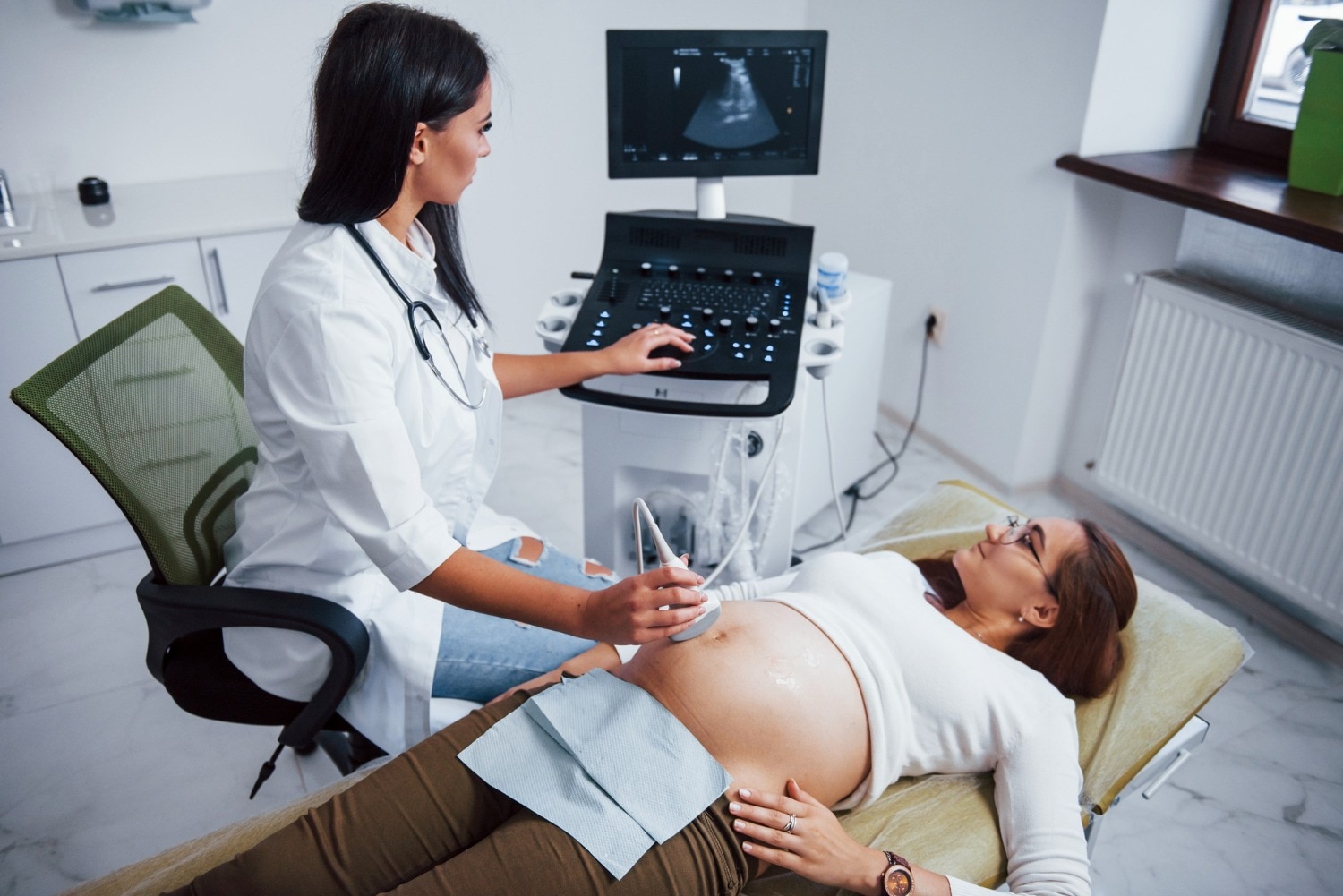
A consultation starts with your medical, pregnancy, surgical and family history. The clinician reconciles every medicine and supplement, checks blood pressure, and orders only relevant baseline blood and urine tests. Depending on your condition, symptoms and gestational age, care may include ultrasound, fetal-growth surveillance or diabetes testing.
| Assessment or plan | What it addresses | When it applies |
|---|---|---|
| Blood and urine tests | Anaemia, kidney function, infection, proteinuria or diabetes risk | When history or examination indicates |
| Ultrasound or growth surveillance | Fetal development, anatomy, placenta or growth | After findings, symptoms or risk factors |
| Diabetes testing | Existing or gestational diabetes | At the clinically appropriate stage |
Ask which tests apply to you rather than assuming every high-risk pregnancy follows the same schedule. Your obstetrician may coordinate with a physician, endocrinologist, cardiologist, anaesthetist or fetal-medicine team, and recommend a hospital with neonatal or adult critical-care support when the situation calls for it.
High-risk status does not automatically mean caesarean delivery or bed rest. Your plan may instead use closer observation, medication changes and a defined escalation plan.
- Medication list, home blood-pressure readings and symptom notes
- Prior operative and delivery records, laboratory results and imaging reports
- Gestational age and written questions
Expect extra visits, repeat testing, coordination, travel and uncertainty; the benefit is a clearer, individualized plan.
How do you choose local care in Andheri and know when referral is needed?
Routine prenatal care suits many pregnancies, but early review by a high risk pregnancy doctor Andheri gives you a clearer plan when medical history, ultrasound findings or delivery needs may change management.
| Care option | What it provides | When it fits |
|---|---|---|
| Routine obstetric care | Regular checks, screening and delivery planning | No significant risk factors or abnormal findings |
| Early high-risk review | Detailed risk assessment, targeted tests and an escalation plan | Prior complications, diabetes, hypertension, abnormal scans or complex medicines |
| Maternal-fetal medicine or hospital referral | Fetal imaging and coordinated maternal, neonatal, anaesthesia, blood-bank or critical-care support | Complex fetal findings, severe maternal disease or anticipated intensive care |
Compare access, not labels. A high risk obstetric specialist in Andheri West should have recognized obstetrics and gynecology registration, relevant high-risk or maternal-fetal medicine experience, fetal-imaging access, a practical hospital location, suitable appointment timing and continuity between visits. Ask who covers emergencies and how referral reaches another hospital service.
An obstetrician in Andheri can assess your history, previous pregnancy complications, blood pressure, diabetes, ultrasound reports and delivery needs locally. A maternal-fetal medicine unit or another hospital service becomes appropriate when the fetus has complex findings, maternal disease is severe, or intensive care may be needed.
Dr Neha Pawar Obstetrician,Gynecologist,Andheri at Kokilaben Dhirubhai Ambani Hospital in Andheri West is one local consultation option to assess whether routine follow-up or coordinated referral fits your situation. Specialist review can still be worthwhile when the final recommendation is routine care: its purpose is accurate risk assessment and a clear plan.
Related service
High Risk Obstetrics High Risk Obstetrics Specialist in Andheri West,Mumbai Dr Neha Pawar is the Best High Risk Obstetrics/High Risk Pregnancy Specialist in Andheri West, Andheri and Mumbai. View service → |
Frequently asked questions
Which medical conditions justify specialist pregnancy review?
Seek specialist review for conditions that can affect medication, blood flow, fetal development or delivery, including diabetes, hypertension, heart disease, kidney disease, thyroid disease, epilepsy, autoimmune disease and blood-clotting disorders.
Which previous pregnancy or surgery changes the next pregnancy plan?
A previous caesarean, preterm birth, stillbirth, severe pre-eclampsia, miscarriage, ectopic pregnancy, postpartum haemorrhage or uterine surgery can change monitoring, medication and delivery planning.
Which current-pregnancy findings need prompt specialist input?
Contact your obstetric team promptly for vaginal bleeding, severe abdominal pain, high blood pressure, reduced fetal movement, abnormal ultrasound findings, fetal growth concerns or suspected placenta problems.
What happens during specialist high-risk pregnancy care?
The specialist reviews your medical and surgical history, medicines, previous pregnancy records, blood tests and scans, then sets monitoring, treatment, delivery and referral plans.
How do you choose local high-risk pregnancy care in Andheri?
Check the doctor’s experience with your condition and confirm access to detailed ultrasound, maternal-fetal medicine, anaesthesia, neonatal care and emergency referral when needed.